


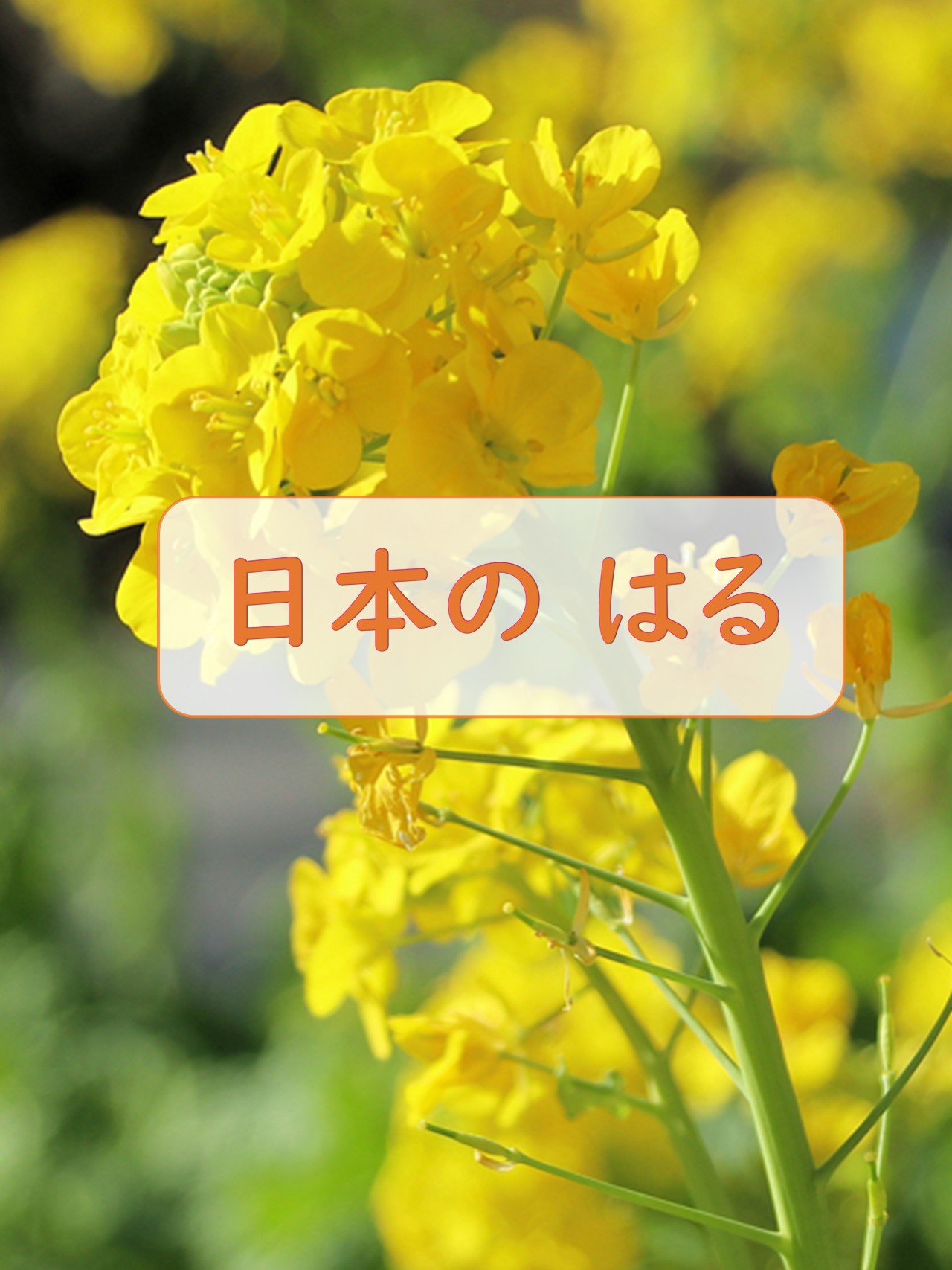
Nihon no Haru – Flipbook and Activity
Students explore spring in Japan through a flipbook and related activities.


 Students work through a series of information gap exercises on the topic of daily routine; what time different activities occur.
In the case of this activity, Activity A, the teacher and students are all looking at the same sheets, so there is no information gap. The reason for using Japanese here is just to practise the language, not to exchange information.
T: 「木村くんは何時に 起きますか?」
S: 「7時に おきます」

In this activity, Activity B, there is an information gap between S1 and S2. So it can be said that Activity B is closer to actual communication, as focus is placed not only on practising the language but also on using the language to exchange meaning.
Note that activities that are closer to real communication require higher language skills of students. If language isn’t used appropriately, communication will fail. They also require more strict class control skills of the teacher.
Students use the information to work out who went to bed the earliest/latest, who woke up the earliest/latest, and who slept the longest/shortest in the class.

Resource created by Kazuhiro Isomura (August 2004).
Students explore spring in Japan through a flipbook and related activities.
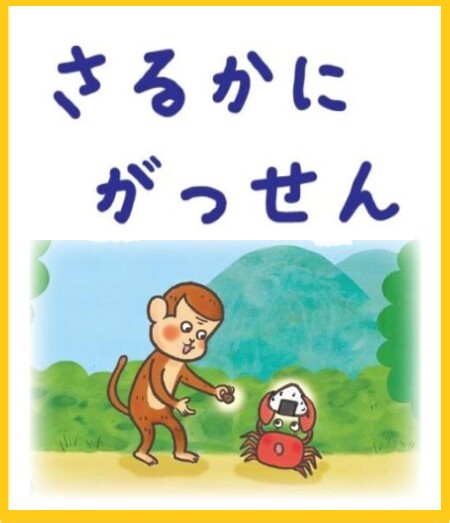
FLIPBOOK: Sarukani Gassen (The battle of the crab and the monkey)
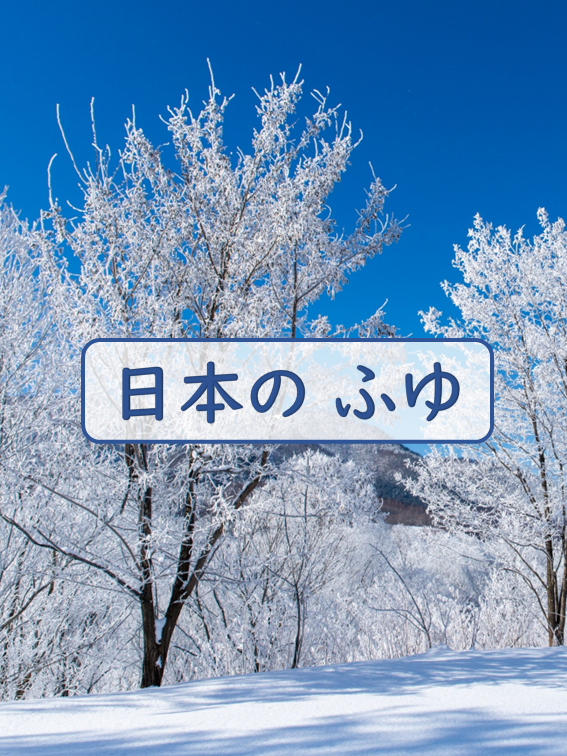
Students explore winter in Japan through a flipbook and related activities.
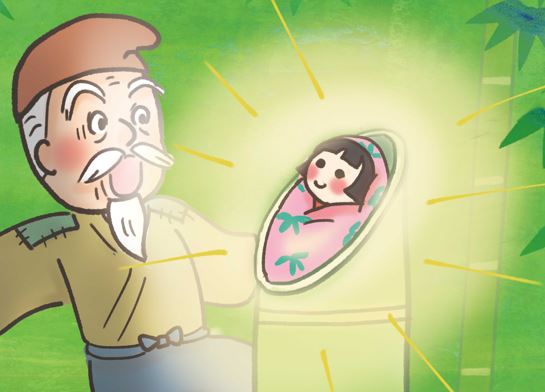
FLIPBOOK: Taketori Monogatari