
FLIPBOOK: CREATION MYTH OF JAPAN
FLIPBOOK: CREATION MYTH OF JAPAN


Click the cover page image below to enjoy reading!
Students read a bilingual flipbook, a simplified version of the folktale Taketori Monogatari, and discuss and reflect on the story and themes by answering the questions provided below.
Taketori Monogatari, also known as “The Tale of the Bamboo Cutter” is an ancient Japanese folktale, considered Japan’s earliest surviving narrative. It tells the story of a mysterious baby girl discovered inside a glowing bamboo stalk by an elderly bamboo cutter (おじいさん). He and his wife name her かぐやひめ (“Kaguya” meaning shining or radiant, and “Hime” meaning princess) and raise her as their own. As she grows, her beauty and grace captivate everyone. Suitors – including noblemen and even the emperor – try to win her heart, but she rejects them all, In the end, it is revealed that かぐやひめ comes from the Moon. On the night of a full moon, celestial beings descend to take her back, despite her deep sadness at leaving her earthly family behind.
Explore our other Nihongo flipbooks! → https://classroomresources.sydney.jpf.go.jp/resources/nihongo-flipbooks/
This story is one of the oldest stories, containing some interesting elements with symbolic meanings. Teachers may decide to use following points to discuss with students.
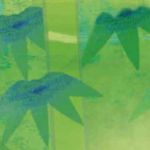 Bamboo is strong, straight and symbolises purity, resilience and prosperity. In Japanese culture, bamboo symbolises purification and protection against evil.
かぐやひめ was born from bamboo, that implies that she is special and sacred.
 The celestial came to escort かぐやひめ back to the moon at the end of the story. The moon is an important symbol in the story representing a sacred and mysterious place beyond human reach, where only pure celestial beings belong.
 According to the original story, when かぐやひめ returned to the Palace of the Moon, she left behind a letter and an elixir of life, 不死の薬 for the emperor who had been her suitor. But he could not bear the thought of living without her, and had both items burned on the mountaintop nearest to the heavens, Mt Fuji. There is a theory that the word「不死 (ふし)」 came to be written as「富士 (ふじ)」, and this is how「富士山 (ふじさん)」 got its name. This theory suggests that Mount Fuji has long been seen as sacred and revered since olden days.
1. The Family and Home of かぐやひめ on the moon
Step 1: Think (and draw) – Imagine what かぐやひめ’s family looks like and where they live
Step 2: Describe – Write a few sentences about them and their home
Step 3: Share – Show and tell the ideas!
2. Role-play:
Students work cooperatively in groups or as a class to prepare and perform the skit of Taketori Monogatari for their classmates or at a school event.
*Please note that the following roleplay is a different version, so the language and details are slightly different from the flipbook introduced above.
This resource was created by Hiroko Langdon, Shoko Adachi and Himiko Negishi-Wood (September 2025).
Illustration by amachakoubou (https://amachakoubou.com/)
FLIPBOOK: CREATION MYTH OF JAPAN
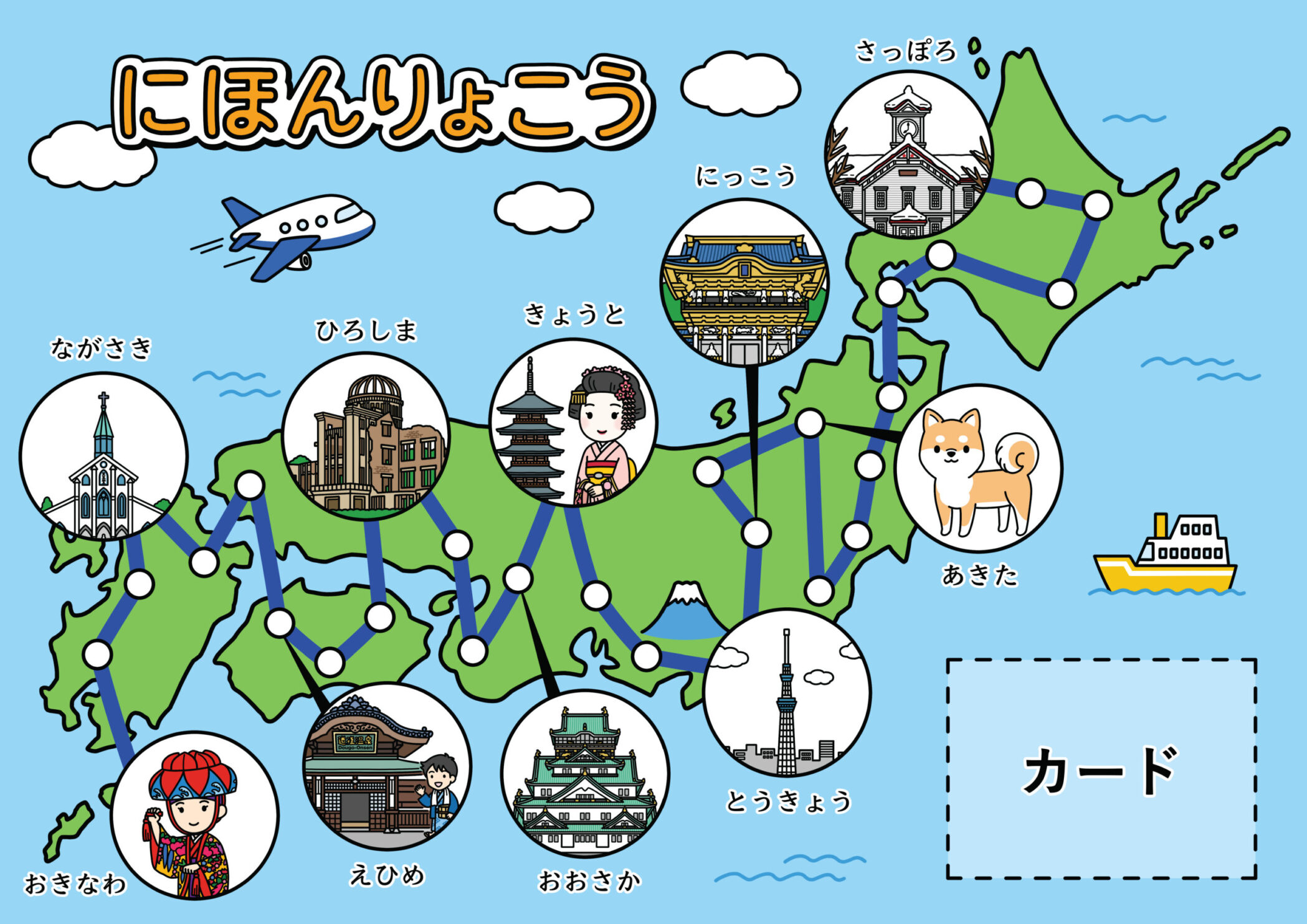
BOARD GAME: Travel Around Japan
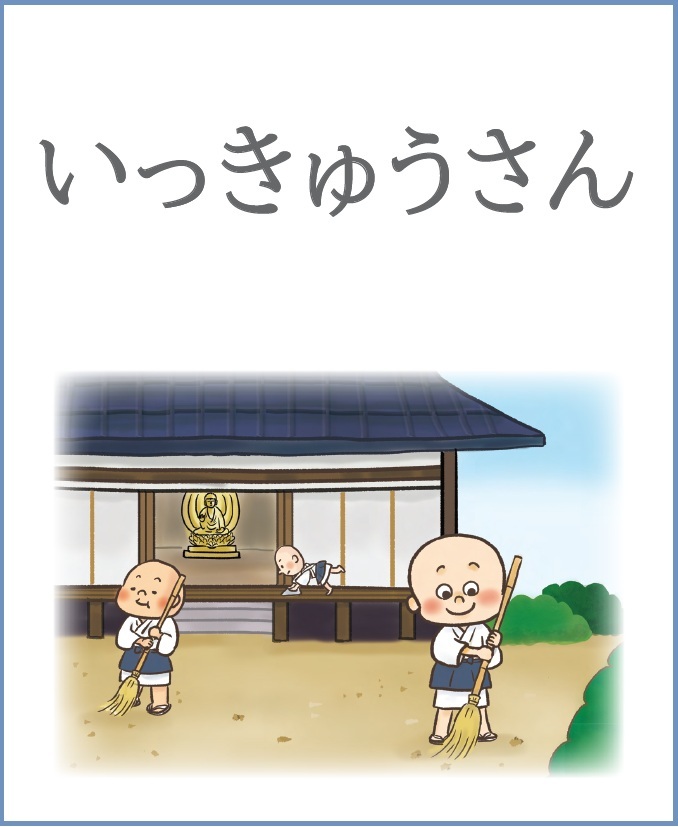
FLIPBOOK: Ikkyu-san
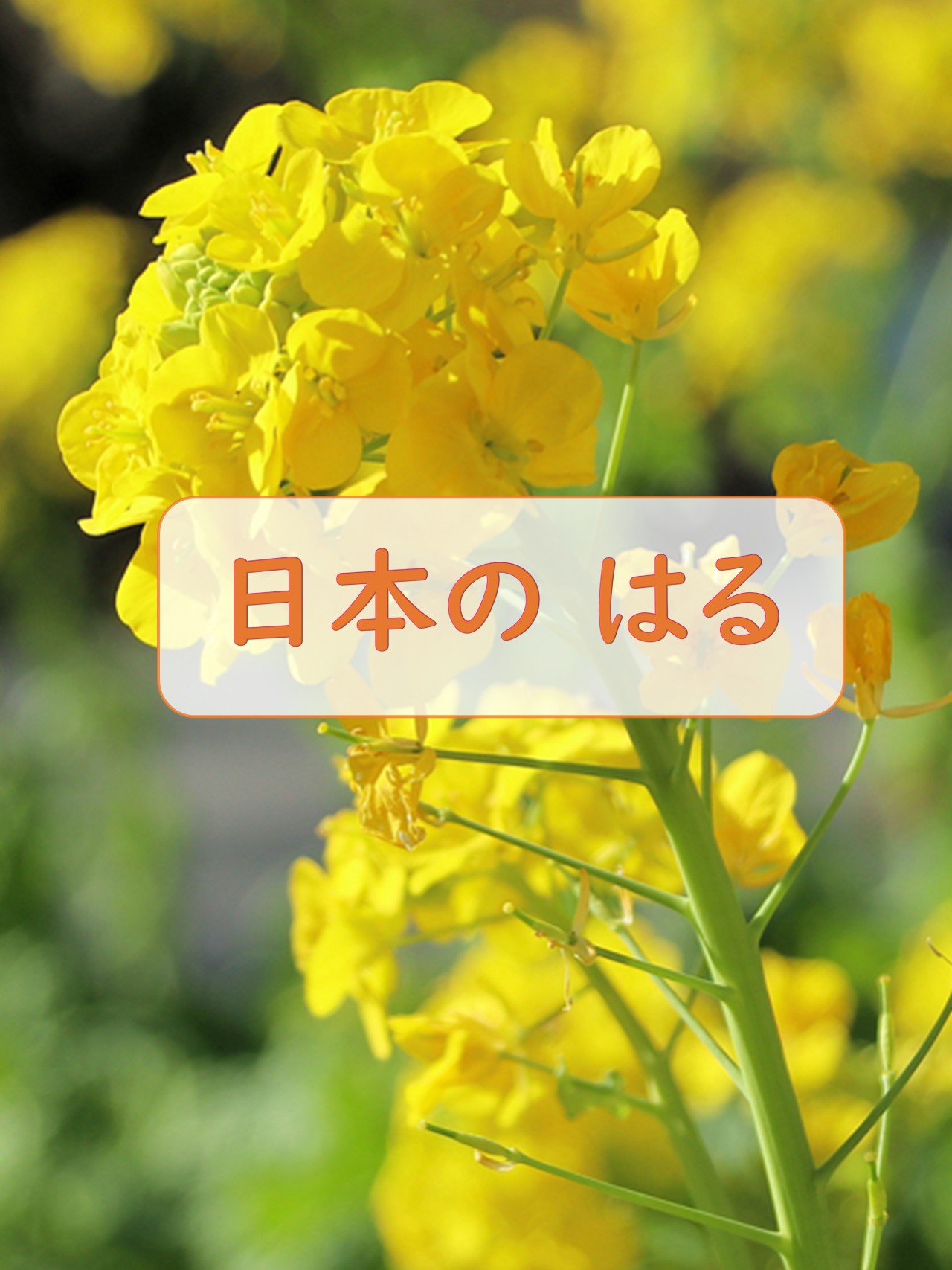
Students explore spring in Japan through a flipbook and related activities.