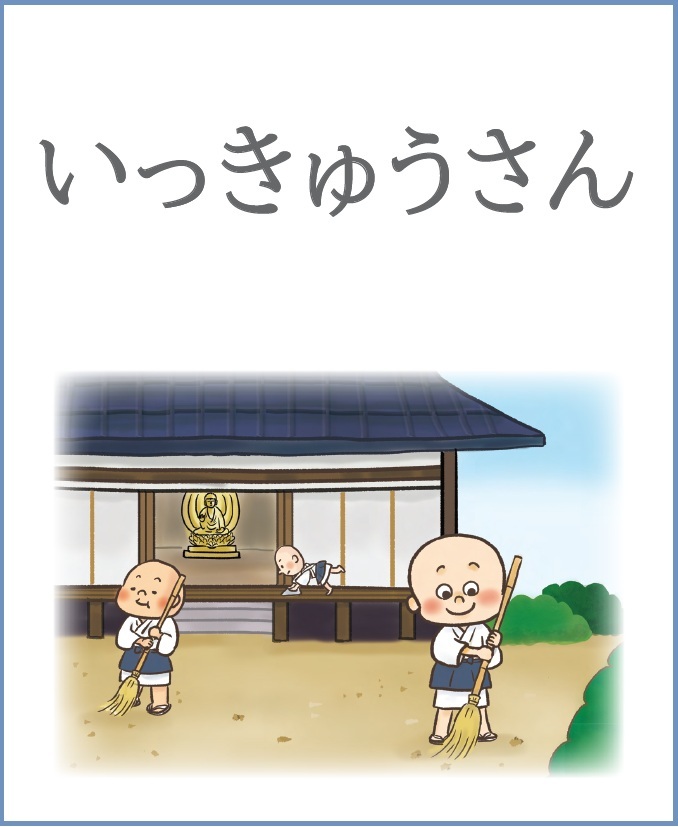
FLIPBOOK: Ikkyu san
FLIPBOOK: Ikkyu-san

FLIPBOOK: Ikkyu-san
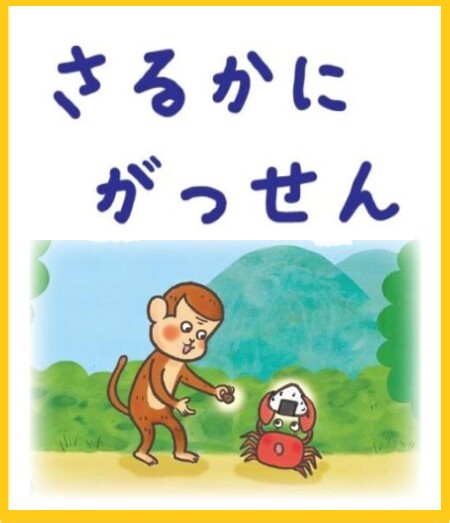
FLIPBOOK: Sarukani Gassen (The battle of the crab and the monkey)
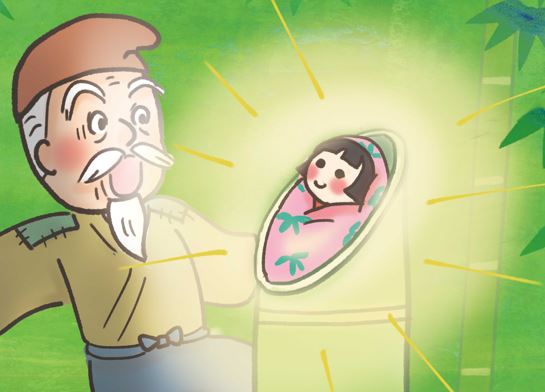
FLIPBOOK: Taketori Monogatari

Hiragana mini books are created to support teaching and learning of Hiragana

KAMISHIBAI: わらしべちょうじゃ THE STRAW MILLIONAIRE

Nihongo flipbooks

Katakana mini books

This play, based on a Russian folktale, comes from a collection of plays and skits created by the ACT Japanese teachers’ group for use in their primary and junior secondary classrooms. Students work cooperatively in groups or as a class to prepare and perform the play for their classmates or at a school event.

This play, based on a Japanese folktale, comes from a collection of plays and skits created by the ACT Japanese teachers’ group for use in their primary and junior secondary classrooms. Students work cooperatively in groups or as a class to prepare and perform the play for their classmates or at a school event.

This play, based on a Japanese folktale, comes from a collection of plays and skits created by the ACT Japanese teachers’ group for use in their primary and junior secondary classrooms. Students work cooperatively in groups or as a class to prepare and perform the play for their classmates or at a school event.

This play, based on a Japanese folktale, comes from a collection of plays and skits created by the ACT Japanese teachers’ group for use in their primary and junior secondary classrooms. Students work cooperatively in groups or as a class to prepare and perform the play for their classmates or at a school event.

This play, based on a folktale, comes from a collection of plays and skits created by the ACT Japanese teachers’ group for use in their primary and junior secondary classrooms. Students work cooperatively in groups or as a class to prepare and perform the play for their classmates or at a school event.This story came from a NSW Dept of Education and Training School Magazine.

This play, based on a Japanese folktale, comes from a collection of plays and skits created by the ACT Japanese teachers’ group for use in their primary and junior secondary classrooms. Students work cooperatively in groups or as a class to prepare and perform the play for their classmates or at a school event.

This play, based on a Japanese folktale, comes from a collection of plays and skits created by the ACT Japanese teachers’ group for use in their primary and junior secondary classrooms. Students work cooperatively in groups or as a class to prepare and perform the play for their classmates or at a school event.

This play, based on a Japanese folktale, comes from a collection of plays and skits created by the ACT Japanese teachers’ group for use in their primary and junior secondary classrooms. Students work cooperatively in groups or as a class to prepare and perform the play for their classmates or at a school event.

This play, based on a Japanese folktale, comes from a collection of plays and skits created by the ACT Japanese teachers’ group for use in their primary and junior secondary classrooms. Students work cooperatively in groups or as a class to prepare and perform the play for their classmates or at a school event.

This play, based on an old Japanese story, comes from a collection of plays and skits created by the ACT Japanese teachers’ group for use in their primary and junior secondary classrooms. Students work cooperatively in groups or as a class to prepare and perform the play for their classmates or at a school event.This story came from a NSW Dept of Education and Training School Magazine.

This play, based on the true story of a famous boy monk, comes from a collection of plays and skits created by the ACT Japanese teachers’ group for use in their primary and junior secondary classrooms. Students work cooperatively in groups or as a class to prepare and perform the play for their classmates or at a school event.

This play, based on a folktale, comes from a collection of plays and skits created by the ACT Japanese teachers’ group for use in their primary and junior secondary classrooms. Students work cooperatively in groups or as a class to prepare and perform the play for their classmates or at a school event.

Students act out this children’s story which can be easily understood by an audience with or without knowledge of Japanese. The play can be used by students not only in the classroom but also as a presentation for a school event. There are 9 parts.

Students act out this children’s story which can be easily understood by an audience with or without knowledge of Japanese. The play can be used by students in the classroom or as a presentation for a school event. There are 12 parts.

Students work in groups of four to write a script and role play a difficult situation involving some bad tasting tea! Julie doesn’t wish to offend her Japanese hosts so she distracts them with questions about their house.

Students read a manga about the myth of Japan’s creation and answer some questions on the text in English.

Students prepare a TV show skit where they practise introducing themselves and answering about their favourite fruit (or other category). There are 4 people per group.

Students prepare and perform a funny, short (1 page) skit that takes place in Japan. There are two parts: the Passenger and the Officer. The passenger is found to have concealed a live koala in their bag.

Students practice and perform a 2 person skit where a frantic person comes running into the RSPCA office desperately trying to find a missing pet. The officers try to help the owner as s/he describes the pet.

Students choose/create a product that will be promoted in their TV advertisement. Students work in teams to write and rehearse the ad. They can use the samples given or create their own. This activity could begin by viewing some Japanese commercials on the internet.

Students prepare a restaurant skit in groups of 3. The skit takes place at a small Japanese restaurant called じゃあね. The waiter/waitress is new and makes a lot of mistakes taking orders, which is annoying to the customers

Students perform the sick family skit multiple times according to the Director’s instructions. He makes them do it “slower”, “faster”, “scarier” etc. There are 7 parts, including the Director.

By ringing directory assistance to get a telephone number, students practice greetings for telephone conversations, asking for and giving telephone numbers and asking for information to be repeated.

Students use their higher-order thinking skills and creativity to devise scenarios, student roles, props, lighting, editing techniques for a video project of their choice.