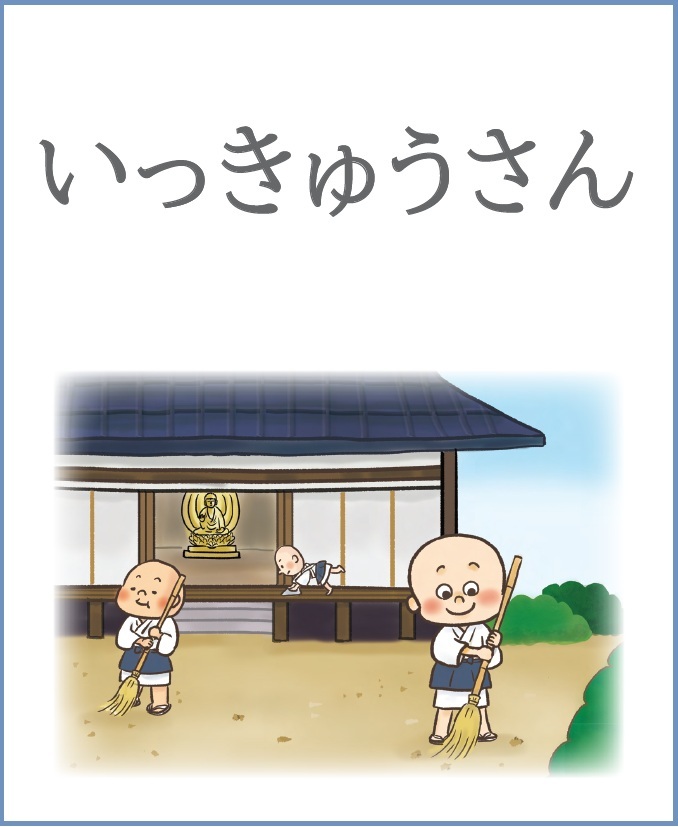
FLIPBOOK: Ikkyu san
FLIPBOOK: Ikkyu-san

FLIPBOOK: Ikkyu-san
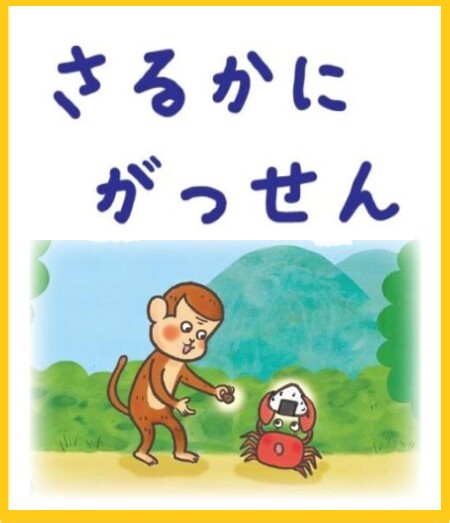
FLIPBOOK: Sarukani Gassen (The battle of the crab and the monkey)
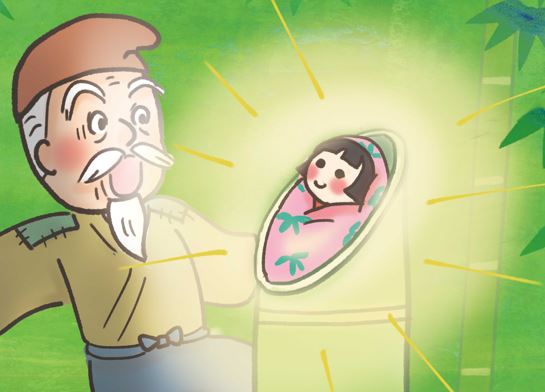
FLIPBOOK: Taketori Monogatari

Japanese curry

KAMISHIBAI: わらしべちょうじゃ THE STRAW MILLIONAIRE

Paris 2024 Olympics Activity Booklet

Students learn about ‘tsuyu’ - rainy season in Japan through flipbook and relevant activities, such as crafts and songs.

Nihongo flipbooks

BOARD GAME: Konbini

This activity booklet is a collection of worksheets created as a special edition resource for the Tokyo 2020 Olympic Games.

Students learn about sumo rituals and play various sumo games in class.

This resource is a newly revised version of the Big Book in a PPT format. Students make a virtual visit to the zoo, using Japanese as they go around the zoo and talk to/about the animals.

Students work through a series of activities based on the theme of bon-odori.

Students practise sickness expressions in a role play between a doctor and a patient. The symptoms and advice are provided on cards.

Students pretending to be job seekers are matched with one of four part time job options by answering a series of questions asked by the students playing the role of an employment agency.

The class divides into 2 and students circulate practising inviting and accepting/declining invitations to activities. The winning side is decided by luck, depending on how many acceptances they receive.

In pairs, students try to be the first to work out the mystery sentence by following directions. Using their map they go to different locations which have been allocated an area of the classroom.

Students play a barrier game where they have to identify all the shops in the row based on what each shop sells.

The class divides into 2 and students circulate practising inviting and accepting/declining invitations to places. The winning side is decided by luck, depending on how many acceptances they receive.

Students role play in pairs, describing the face of a “robber”. The policeman must re-create the face that the informant is describing, feature by feature.

Students work in pairs to decide which of the four sports clubs (gyms) they will join. Each student and their partner go to two clubs, ask some questions and share the information. They then discuss which club they will choose.

Students practise inviting/accepting/refusing in a scenario with a partner then participate in a class game where students are chosen at random by their phone number to perform the dialogue.

Students work in groups of four to write a script and role play a difficult situation involving some bad tasting tea! Julie doesn’t wish to offend her Japanese hosts so she distracts them with questions about their house.

Students will learn expressions describing weather. They will be able to role-play giving a weather report from various cities around the world.

Students prepare and perform a skit in which a TV show host asks for updates and events via satellite from several different journalists around the world. Language: Weather and time around the world

Students prepare a TV show skit where they practise introducing themselves and answering about their favourite fruit (or other category). There are 4 people per group.

Students prepare and perform a funny, short (1 page) skit that takes place in Japan. There are two parts: the Passenger and the Officer. The passenger is found to have concealed a live koala in their bag.

Students practice and perform a 2 person skit where a frantic person comes running into the RSPCA office desperately trying to find a missing pet. The officers try to help the owner as s/he describes the pet.

Students prepare a restaurant skit in groups of 3. The skit takes place at a small Japanese restaurant called じゃあね. The waiter/waitress is new and makes a lot of mistakes taking orders, which is annoying to the customers

Students perform the sick family skit multiple times according to the Director’s instructions. He makes them do it “slower”, “faster”, “scarier” etc. There are 7 parts, including the Director.

Students create simple statements about places where they would like to go and work co-operatively in groups to gather information and make decisions about the 4 travel destinations in Japan: Kyoto, Sapporo, Nikkoo and Hiroshima.Students create simple statements about places where they would like to go and work co-operatively in groups to gather information and make decisions about the 4 travel destinations in Japan: Kyoto, Sapporo, Nikkoo and Hiroshima.

By ringing directory assistance to get a telephone number, students practice greetings for telephone conversations, asking for and giving telephone numbers and asking for information to be repeated.

Students look at photos, video and a song to learn about the components of obentoo.They can also make a virtual obento using the link to the Erin site.