


FLIPBOOK: CREATION MYTH OF JAPAN
FLIPBOOK: CREATION MYTH OF JAPAN


 This resource is a semi-biographical picture book based on the life of a great Japanese man who lived in Australia during the 1900s. This book is targeted at secondary students who have mastered hiragana and katakana.
Did you know that one Japanese man’s challenge had a profound impact on the Australian rice industry?
The name of this person is Jō Takasuka. He is known as a pioneer in producing commercial rice in Australia during the 1900s. He was born into a samurai family and loved to challenge himself beyond his limits. Reading Jō’s life story will provide students with an opportunity to learn the values and beliefs of a Japanese person who lived in a past Japanese era and reflect on their own values and beliefs.
This picture book consists of nine chapters (109 pages in total). It provides a Before You Read section outlining the historical setting of the story in English. The appendix delves into the later lives of the main characters and the Australian rice industry.
Each page consists of one or two sentences in Japanese to describe significant events in the main character’s life. In addition, Japanese formulaic language and expressions are used to describe the main character’s emotions, thoughts, and actions.
At the end of each chapter, After-Reading pages are provided in English. These pages include brief summaries of each chapter and supplementary explanations to deepen students’ understanding of the story. Engaging questions encourage students to predict the next chapter and connect the story to themselves.
Furthermore, rich illustration “hints” help students predict unfamiliar words and understand the context.
Click the cover page image below to enjoy reading!

*This story is based on real people and real life events; however, some of the details might not be historically accurate.
Download the PDF file and save it as a Adobe Acrobat Document onto your desktop.
Open the file and print two pages on one side of a sheet of paper (A4).
Click here to refer to how to set up the printer.
Fold in half and staple, or try Japanese book binding (watoji).
Click here to watch the video: “how to make the Japanese book binding.”

Done!
Printable worksheets of before, during, and after reading activities.
Through activities, students activate their prior knowledge of a text type and increase their motivation to read.


1. The main character’s timeline
Students will find out when each event took place in Jō’s life while reading each chapter.


2. Story sequencing
Students put pictures into the right chronological order to check their understanding. There are four story sequence worksheets designed to be completed after reading chapters 1-3, chapters 4-6, chapter 7 and chapters 8-9.

After students finish reading the entire book, students complete activities that flow from the understanding the story.


1. Vocabulary exercises
This worksheet includes matching exercises and word search puzzles for each chapter. Students can use this worksheet before reading a chapter to check key vocabulary. They also can use it after they finish reading a chapter to review vocabulary.


2. Vocabulary list
This worksheet lists all vocabulary and their English meanings for each chapter; so students can use it as a reference while they are reading.

Students can learn fun facts about rice farming in Australia.


This resource has been created by the JPF, Sydney with references to the following:
This resource was created by Minako Kadoi with assistance from Mayumi Mitsuya, Himiko Negishi-Wood, and Shunsuke Hirakawa.
We thank Mina Matsudaira, the author of Jō no Hitotsubu for her precious contribution to creating this book. (June 2022)
FLIPBOOK: CREATION MYTH OF JAPAN
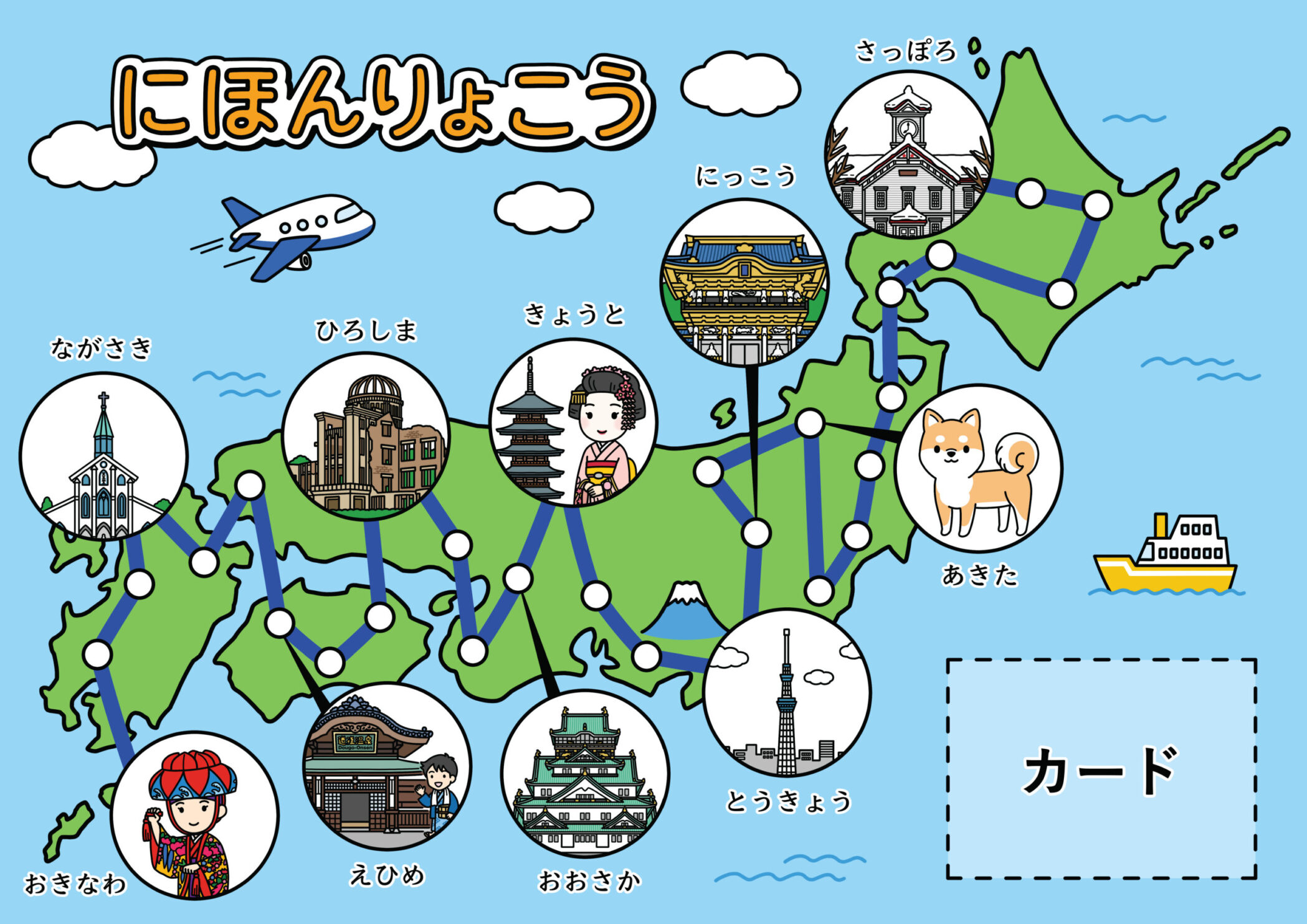
BOARD GAME: Travel Around Japan
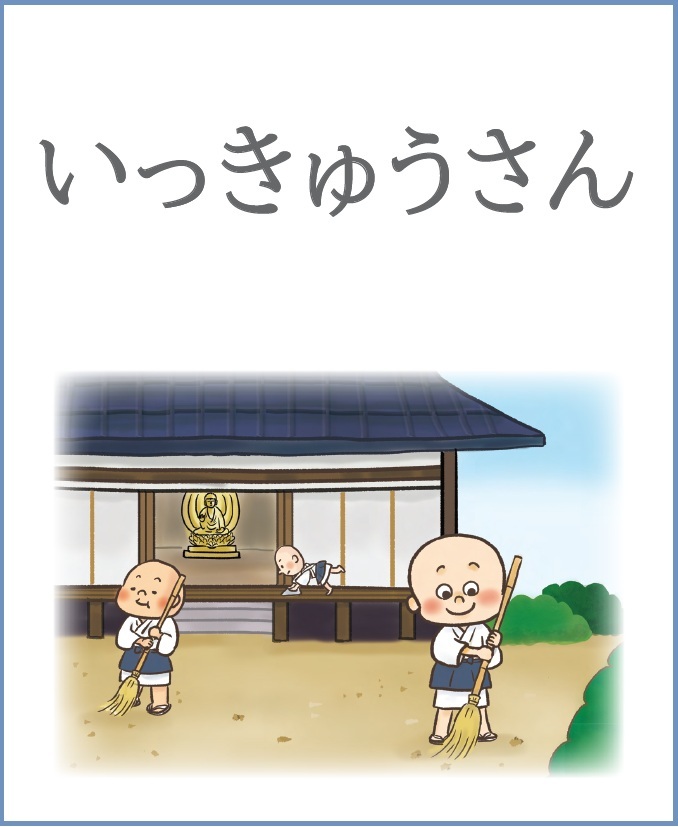
FLIPBOOK: Ikkyu-san
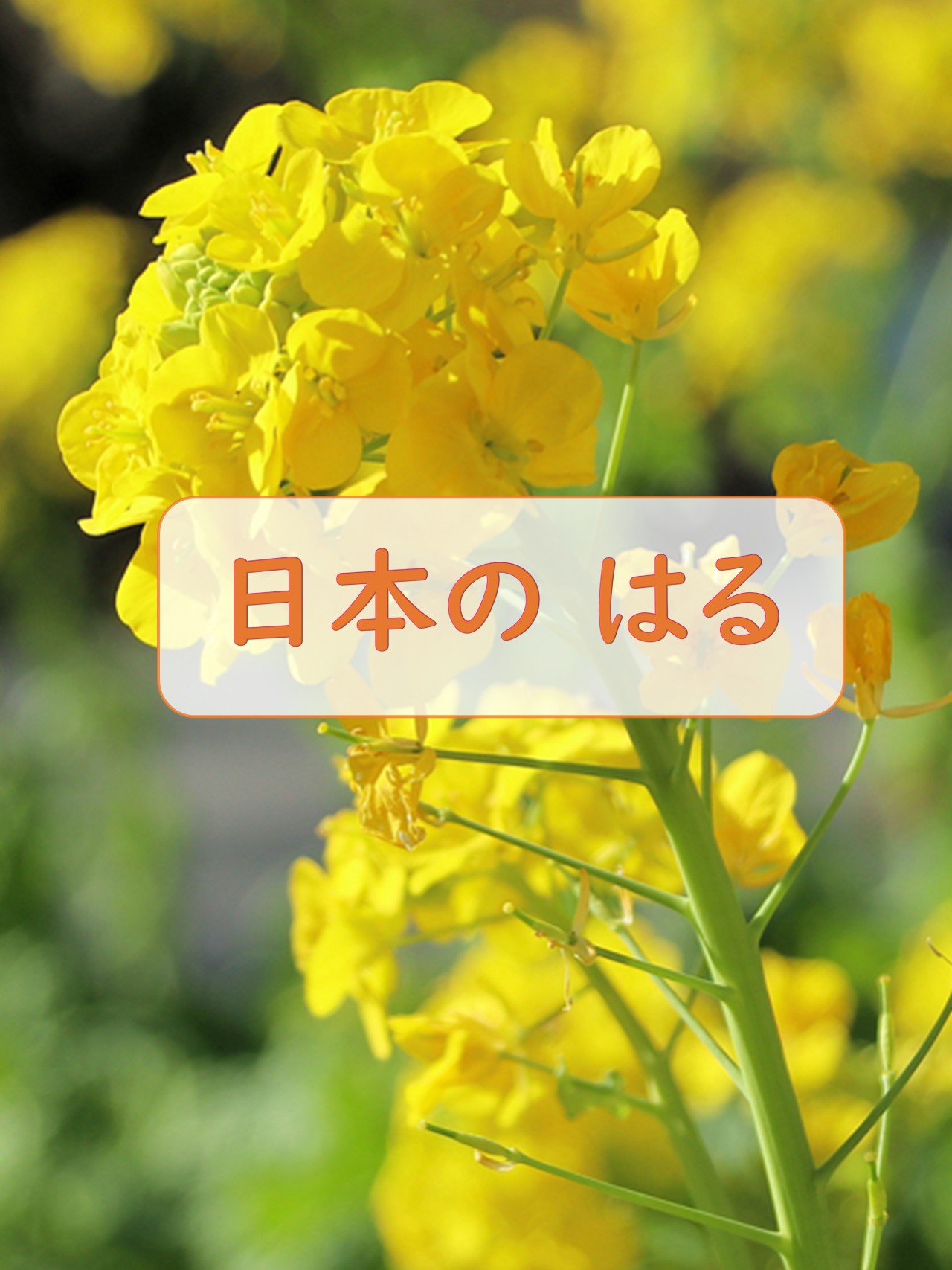
Students explore spring in Japan through a flipbook and related activities.