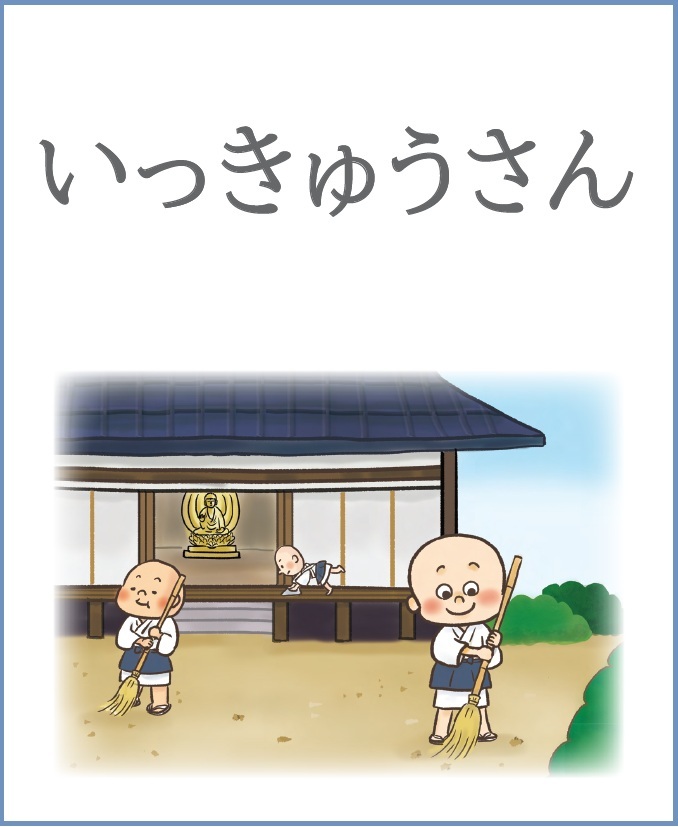
FLIPBOOK: Ikkyu san
FLIPBOOK: Ikkyu-san

FLIPBOOK: Ikkyu-san
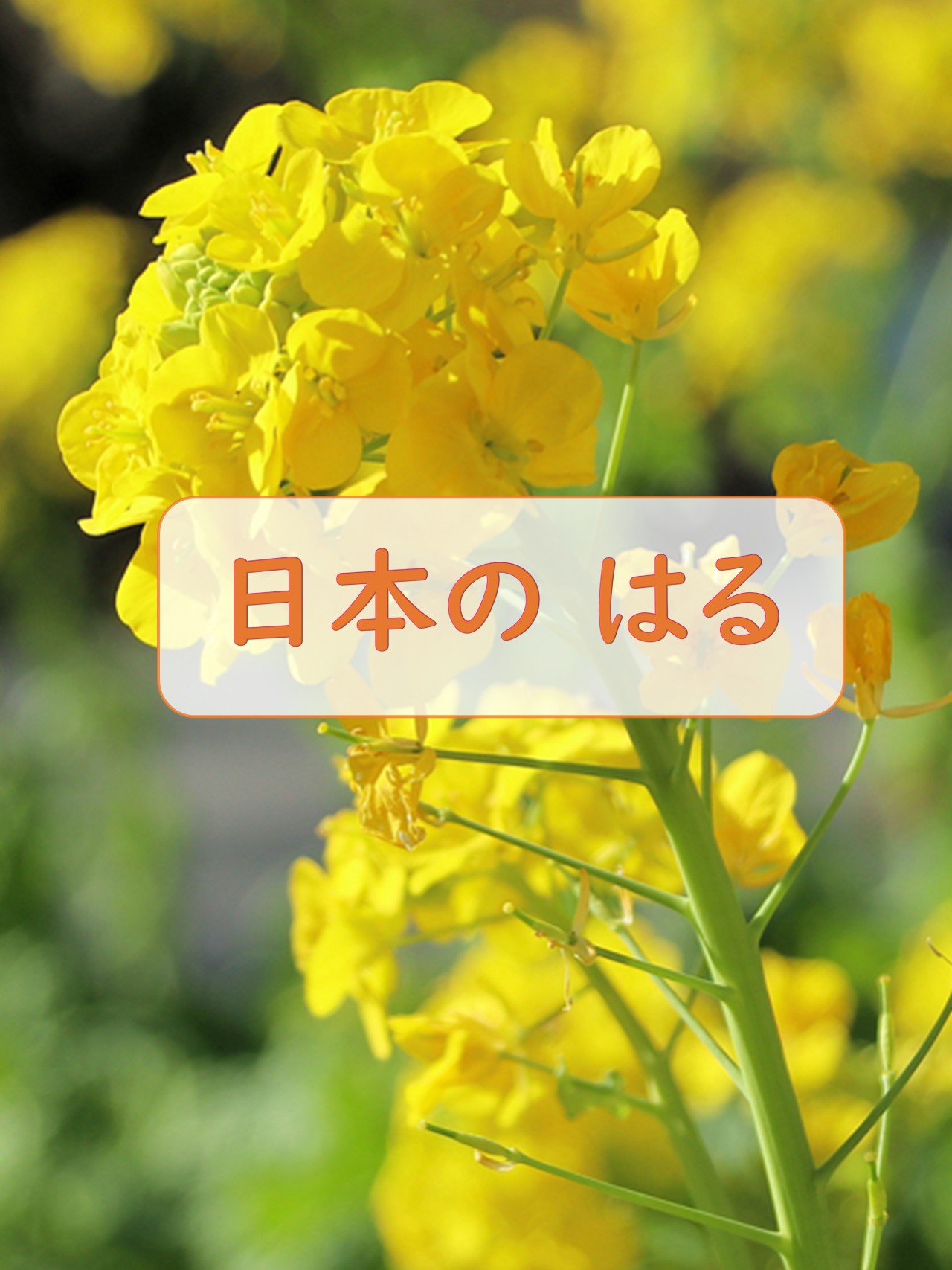
Students explore spring in Japan through a flipbook and related activities.
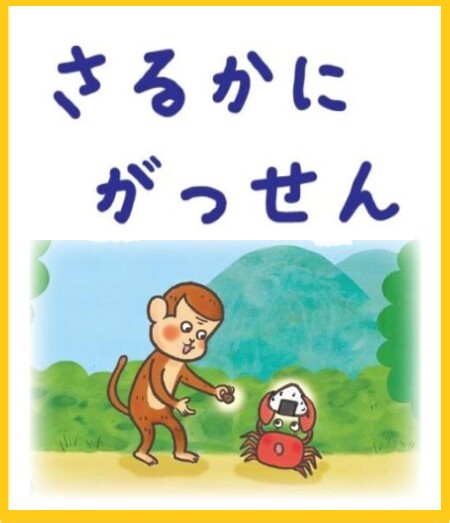
FLIPBOOK: Sarukani Gassen (The battle of the crab and the monkey)
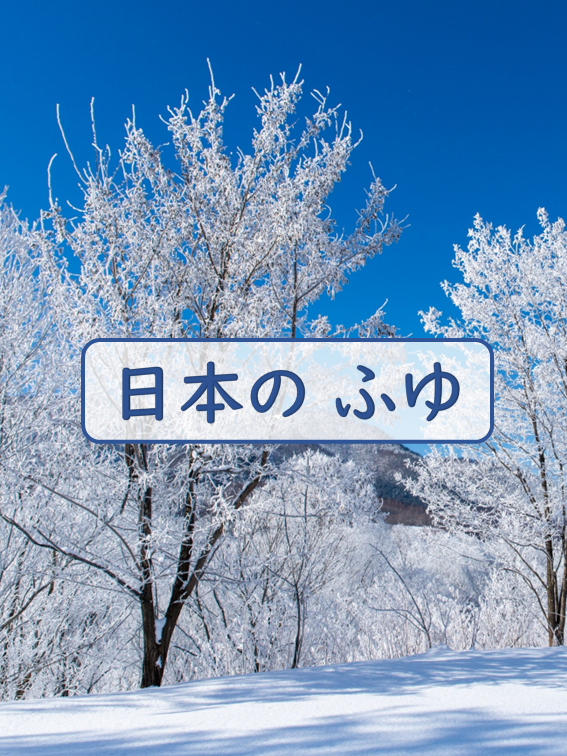
Students explore winter in Japan through a flipbook and related activities.
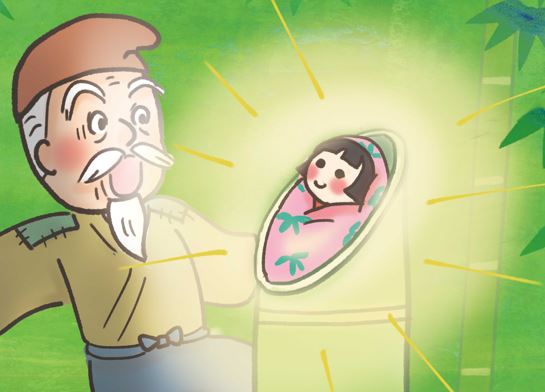
FLIPBOOK: Taketori Monogatari
Students explore Nihon no Aki (autumn in Japan) through a flipbook and related activities.

Hiragana mini books are created to support teaching and learning of Hiragana

Creating Reading Resources with Generative AI
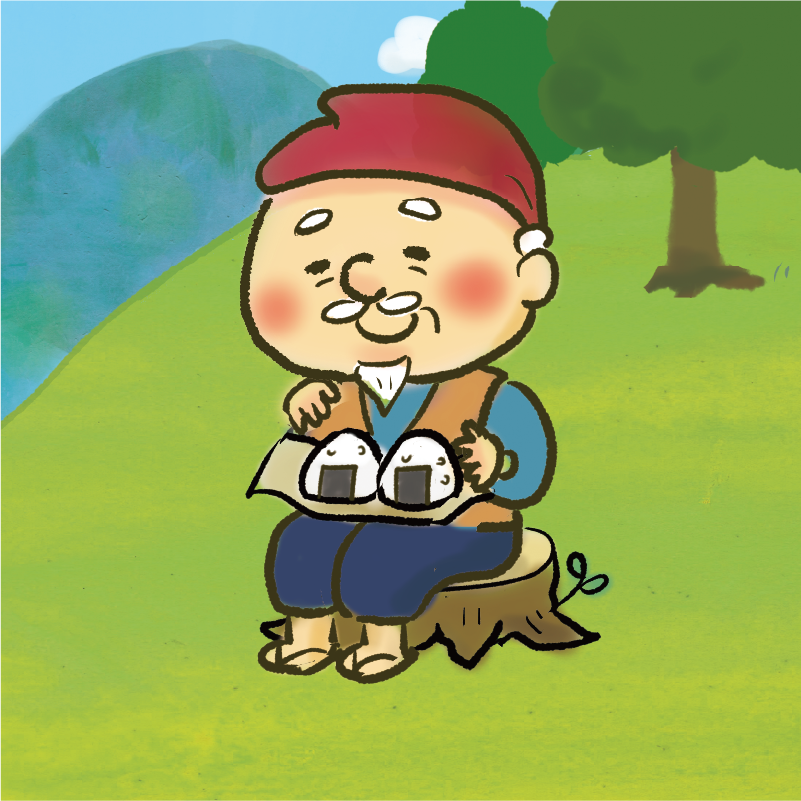
FLIPBOOK: Omusubi Kororin

Japanese curry

Students read a simple version of the folktale in a manga format and answer 3 questions on the story and themes. Students are introduced to the “tanuki” and learn a Japanese song with 4 animal names and sounds (こぶた、たぬき、きつね、ねこ).

KAMISHIBAI: わらしべちょうじゃ THE STRAW MILLIONAIRE

Excerpt: Students learn about Nihon no natsu (summer in Japan) through a flipbook and relevant activities.

Paris 2024 Olympics Activity Booklet

Students learn about ‘tsuyu’ - rainy season in Japan through flipbook and relevant activities, such as crafts and songs.

Students learn about sakura, Japanese cherry blossom around the world through flipbook and relevant activities, such as research project.

Students learn about Sakura, Japanese cherry blossoms through flipbook and relevant activities, such as craft project, research project and "sakura sakura" song, etc.

The story of a Japanese rice farmer in Australia

BOARD GAME: Konbini

READING SERIES NO. 4 : Auspicious animals in Japan

Katakana mini books

たまごから考えよう

READING SERIES NO. 3: THE 2020 TOKYO OLYMPIC AND PARALYMPIC GAMES

This activity booklet is a collection of worksheets created as a special edition resource for the Tokyo 2020 Olympic Games.

This text is about Uluru, a cultural and natural World Heritage Site in central Australia.

This text is a reading activity on the new era of Reiwa.

Students read a text about the change to the new era of Reiwa using number of reading strategies. They then apply the information gained to a number of extension tasks.

Students make a virtual visit to the Sumo stable, reading about the life of a novice sumo wrestler in Japan, オージーの山 (lit. Aussie’s Mountain).

Students compete in teams to read hiragana colour words and match them to the corresponding colour cards.

Students work through a series of activities on the theme of Mt Fuji with a focus on the environment and significant world heritage sites.

This play, based on a Russian folktale, comes from a collection of plays and skits created by the ACT Japanese teachers’ group for use in their primary and junior secondary classrooms. Students work cooperatively in groups or as a class to prepare and perform the play for their classmates or at a school event.

This play, based on a Japanese folktale, comes from a collection of plays and skits created by the ACT Japanese teachers’ group for use in their primary and junior secondary classrooms. Students work cooperatively in groups or as a class to prepare and perform the play for their classmates or at a school event.

This play, based on a Japanese folktale, comes from a collection of plays and skits created by the ACT Japanese teachers’ group for use in their primary and junior secondary classrooms. Students work cooperatively in groups or as a class to prepare and perform the play for their classmates or at a school event.

This play, based on a Japanese folktale, comes from a collection of plays and skits created by the ACT Japanese teachers’ group for use in their primary and junior secondary classrooms. Students work cooperatively in groups or as a class to prepare and perform the play for their classmates or at a school event.

This play, based on a folktale, comes from a collection of plays and skits created by the ACT Japanese teachers’ group for use in their primary and junior secondary classrooms. Students work cooperatively in groups or as a class to prepare and perform the play for their classmates or at a school event.This story came from a NSW Dept of Education and Training School Magazine.

This play, based on a Japanese folktale, comes from a collection of plays and skits created by the ACT Japanese teachers’ group for use in their primary and junior secondary classrooms. Students work cooperatively in groups or as a class to prepare and perform the play for their classmates or at a school event.