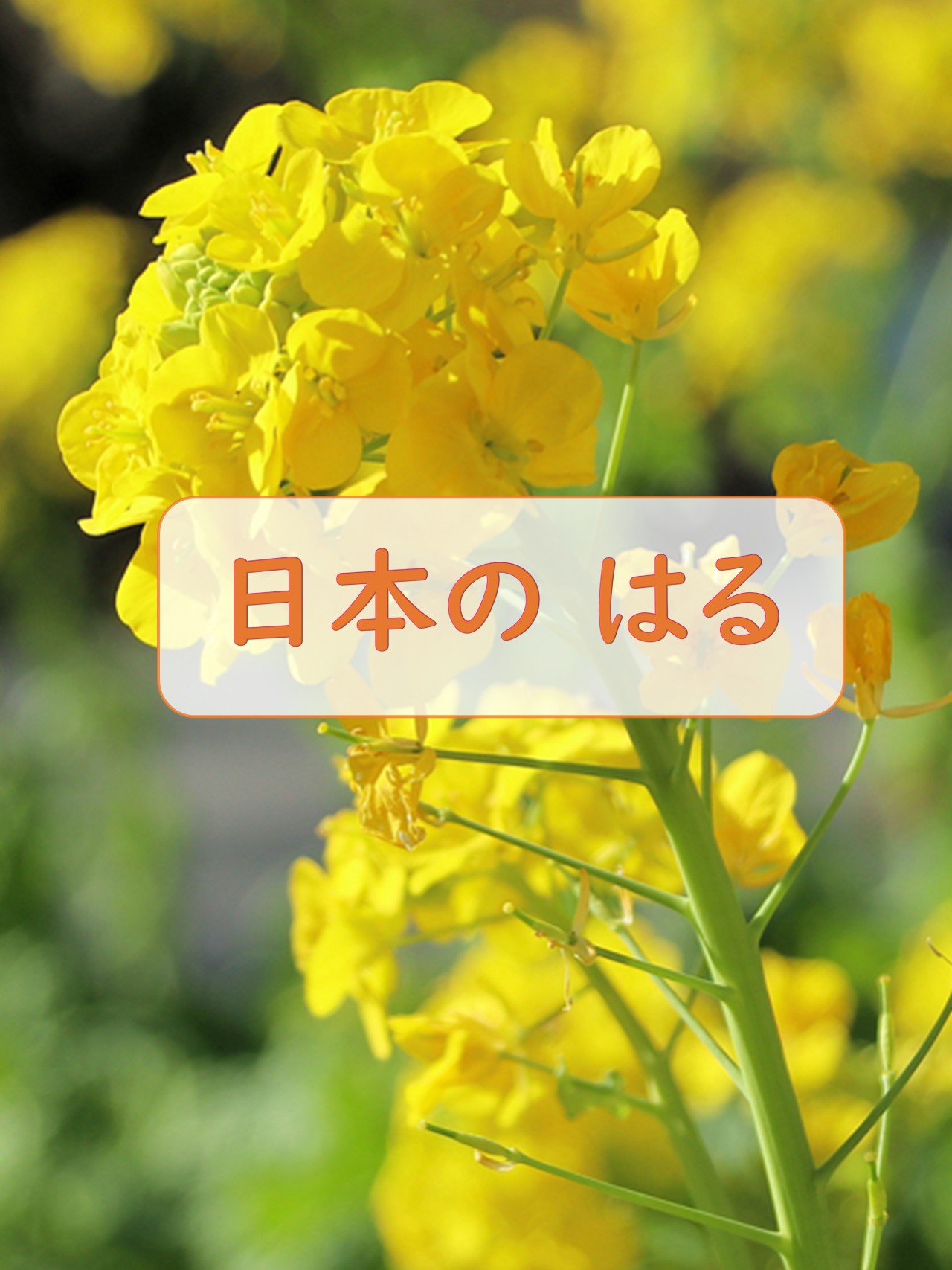
Nihon no Haru – Flipbook and Activity
Students explore spring in Japan through a flipbook and related activities.

Students explore spring in Japan through a flipbook and related activities.
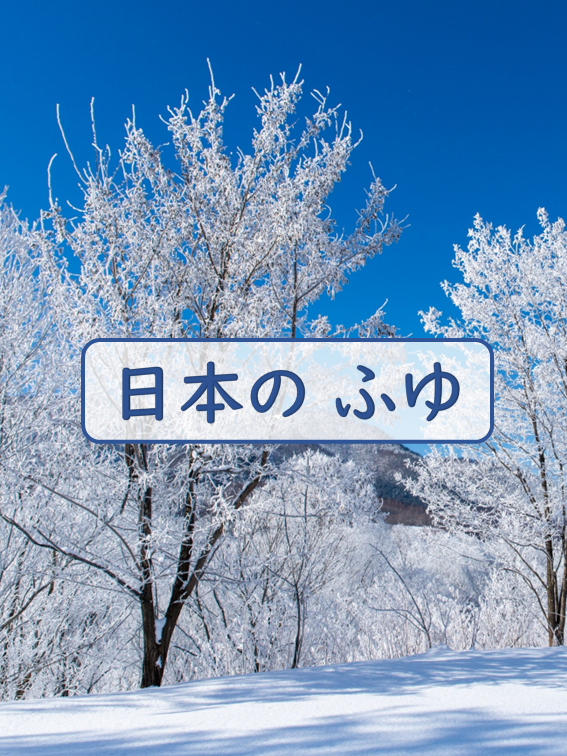
Students explore winter in Japan through a flipbook and related activities.
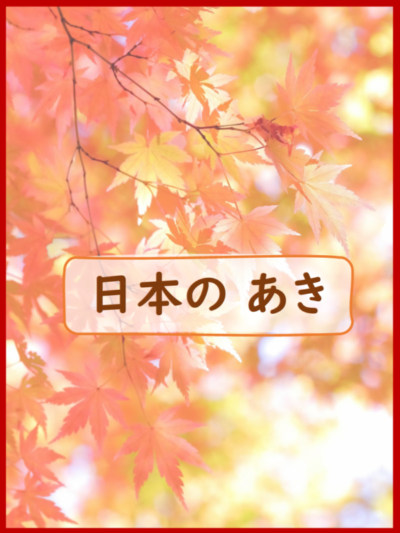
Students explore Nihon no Aki (autumn in Japan) through a flipbook and related activities.

Students learn about sakura, Japanese cherry blossom around the world through flipbook and relevant activities, such as research project.
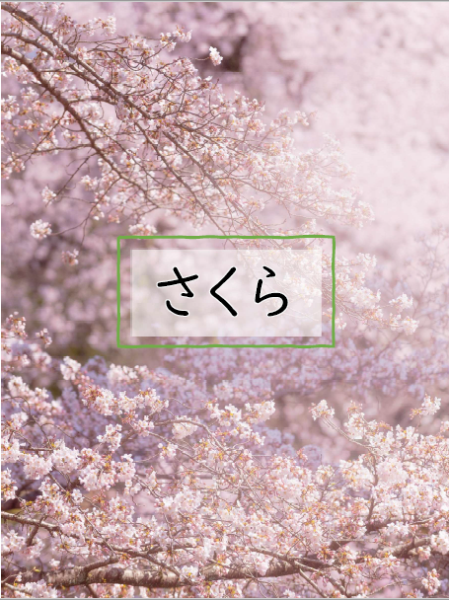
Students learn about Sakura, Japanese cherry blossoms through flipbook and relevant activities, such as craft project, research project and "sakura sakura" song, etc.

Students act out this story about the origin of the Juunishi (Chinese/Japanese zodiac). The play can be used by students not only in the classroom but also as a presentation for a school event. There are 15 parts.

This play, based on a folktale, comes from a collection of plays and skits created by the ACT Japanese teachers’ group for use in their primary and junior secondary classrooms. Students work cooperatively in groups or as a class to prepare and perform the play for their classmates or at a school event.This story came from a NSW Dept of Education and Training School Magazine.

This play, based on a Japanese folktale, comes from a collection of plays and skits created by the ACT Japanese teachers’ group for use in their primary and junior secondary classrooms. Students work cooperatively in groups or as a class to prepare and perform the play for their classmates or at a school event.

This play, based on a Japanese folktale, comes from a collection of plays and skits created by the ACT Japanese teachers’ group for use in their primary and junior secondary classrooms. Students work cooperatively in groups or as a class to prepare and perform the play for their classmates or at a school event.

Students perform a short skit about the origins of the Tanabata Festival held in July. The skit emphasises the months and how the lovers can only meet once a year.

Students put manga sections back in to their correct order as they read about Erin’s Valentine’s Day disaster. Erin decides to give a boy chocolates then finds out he already has a girlfriend. There is a lot of colloquial language spoken between the characters.