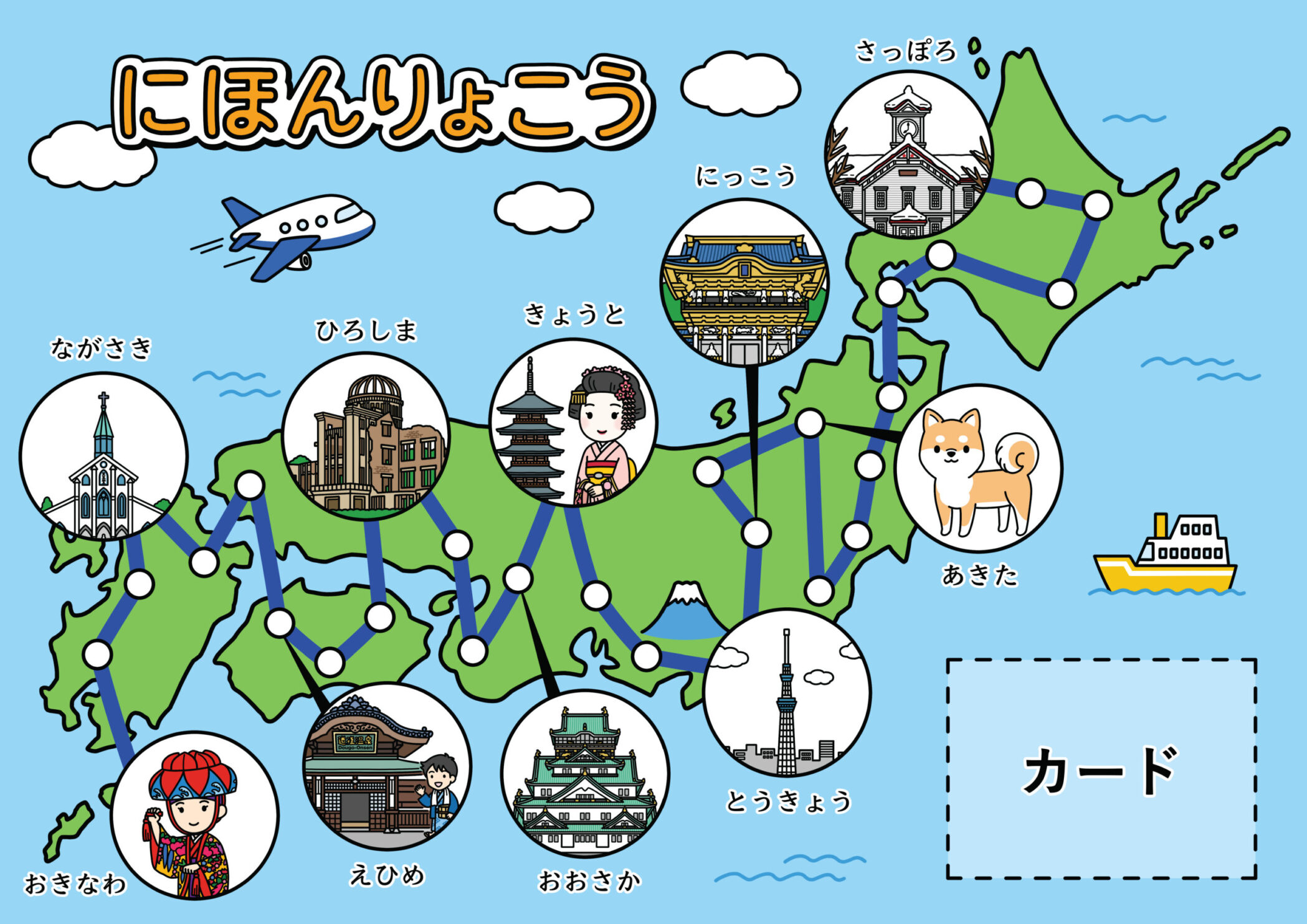
BOARD GAME: Travel Around Japan
BOARD GAME: Travel Around Japan


 Here, we focus on activities which integrate aspects of other key learning areas into language learning. Recently in the various states, particularly in primary school, there has been a movement towards integration, or embedment, of the whole curriculum into language learning.
An integrated approach is one which incorporates content from other subject areas and relies on tasks that draw on both language and content to solve communication needs. It is particularly suited to primary classes where class teachers focus on long-term themes, but it can also be applied to secondary learners. When links are made with other subjects through the target language, the language program becomes more relevant to the learner. It is hoped that teachers will not only use these tasks and activities as they are, but will change and reapply them to suit the needs of their students.
The teacher shows the water cycle picture (Tasksheet 1) on OHT and presents the key words by pointing to them and to the corresponding sections on the picture. Alternatively, students can come out to the front and point out on the picture the words they know, and try to guess the others. Then all students can cut out the keywords and stick them onto the appropriate sections of the picture.

| 水はたいようであたたかくなります | The water becomes warm from the sun. |
| 水はすいじょうきになります。 | The water turns into water vapour. |
| すいじょうきは上に上がります。 | The water vapour goes up. |
| すいじょうきはつめたくなります。 | The water vapour cools down. |
| 小さい水のつぶができます。 | Little droplets of water are formed. |
| つぶはくもになります。 | The droplets turn into clouds. |
| くもはゆきやあめになります。 | The clouds turn into snow and rain. |
| あめはじめんやうみにおちます。 | The rain falls onto the earth and sea. |


Conduct a science experiment in Japanese! Students can compare the language of the 3 steps of the experiment with the corresponding steps in the water cycle. Task sheet 4 can be used to reinforce words and expressions.

Students’ awareness of kanji can be raised by showing how kanji come in ‘families’.
雨 is the kanji for 雨, rain, and comes from a picture of rain falling from a cloud.

This kanji, in a slightly contracted form, forms part of other kanji with meanings related to ‘rain’.

水 is the kanji forみず, water, and comes from a picture of water flowing.

This kanji, in a slightly different form, forms part of many kanji in the ‘water family’.
→ EG. 海湖
The map (Task sheet 1) shows a hydro-electric power station水力発電所and water works浄水場.
Advanced students can do a project on uses of water in their region or state such as: [水道 Water works], [電気Electricity]
BOARD GAME: Travel Around Japan
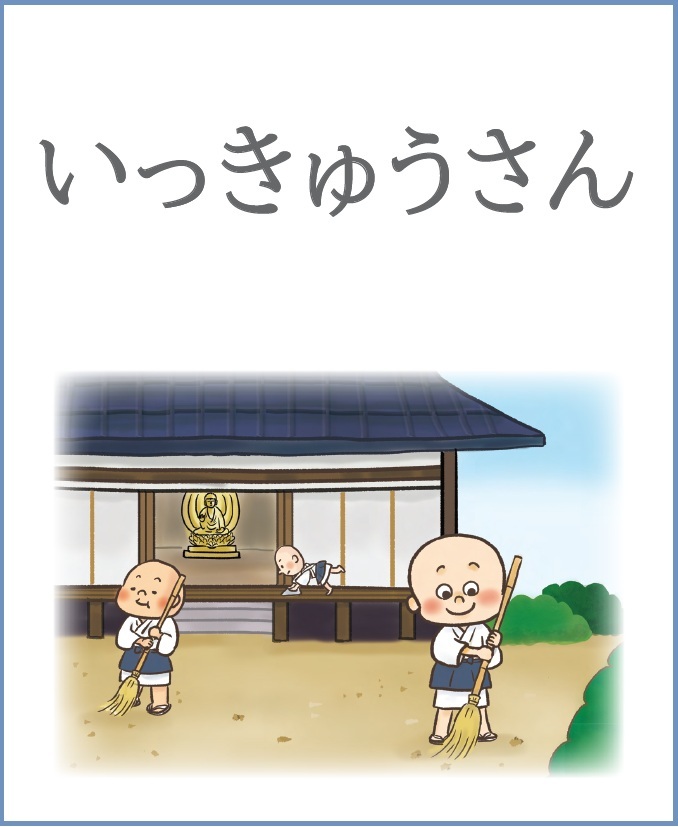
FLIPBOOK: Ikkyu-san
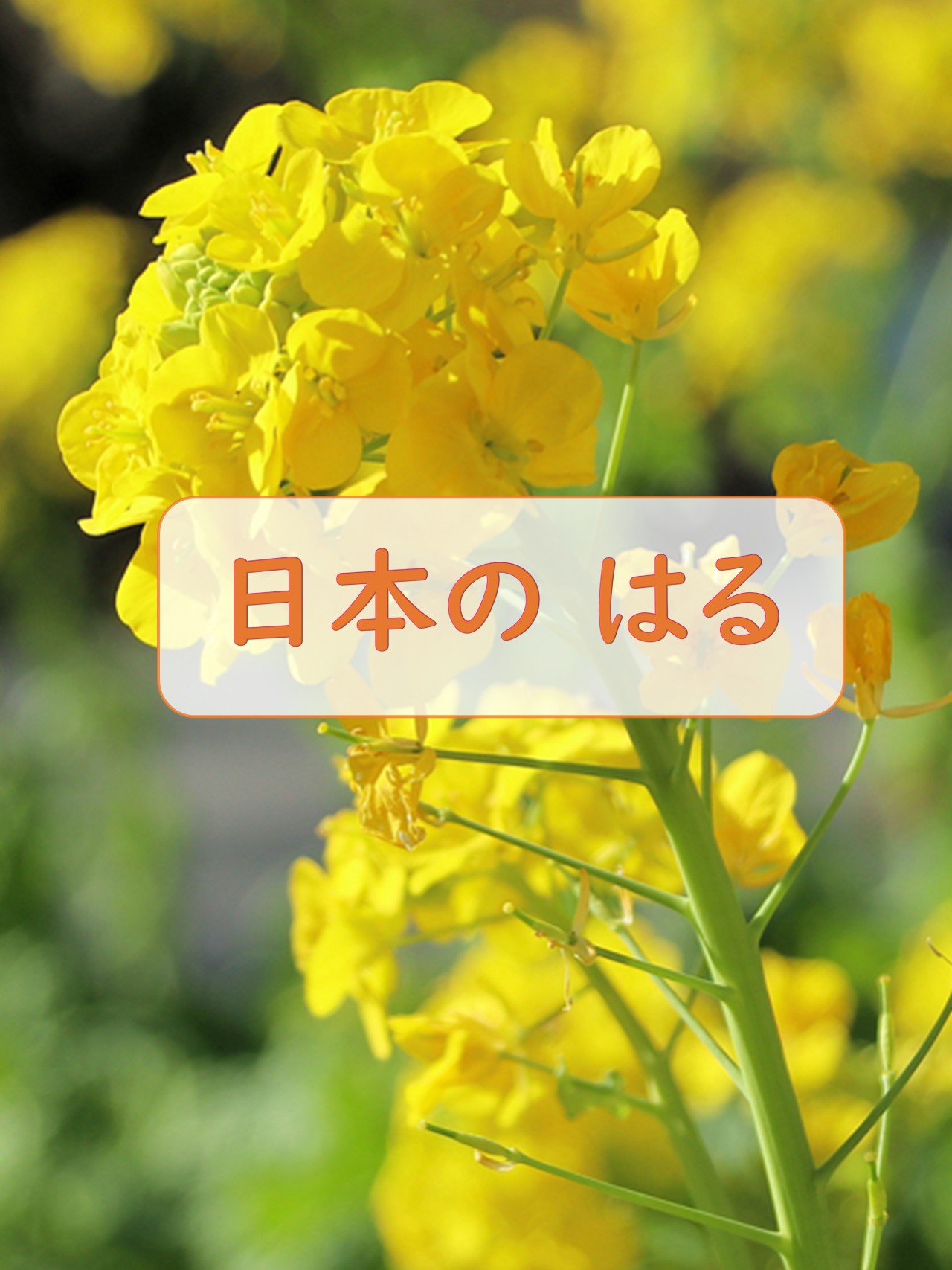
Students explore spring in Japan through a flipbook and related activities.
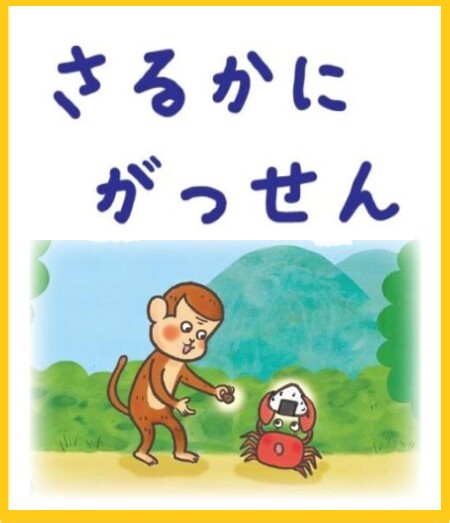
FLIPBOOK: Sarukani Gassen (The battle of the crab and the monkey)