
FLIPBOOK: CREATION MYTH OF JAPAN
FLIPBOOK: CREATION MYTH OF JAPAN


HIRAGANA Memory Hint Flashcards is designed to support teachers to introduce hiragana in a fun way using mnemonic pictures. They link the shape and the sound of hiragana characters to a familiar word, image, and/or concept in English.
The illustrations in the flashcards are based on the HIRAGANA Memory Hint app, so that students can learn more effectively in combination with the app, studying and revising hiragana by listening to the sounds of the hiragana characters and testing their knowledge with quizzes.
The flashcards are produced in PDF format and are designed to be printed out back to back on thick A4 paper. The flashcards can be printed out in a reduced size to make hand size cards. Click here to see how to print out hand size cards. Alternatively, students may create their own hand size cards.
Each flashcard has a QR code linked to the HIRAGANA Memory Hint app.


The teacher introduces the sound of a hiragana character with the mnemonic picture.
E.g., ‘Ah! There is a snake!’. The sound of the hiragana character is shown in bold.
The teacher can use the back (hiragana) side to test students on the sound of the hiragana character without the mnemonic illustration. Students can access the Hiragana Memory Hint app using the QR code for further practice and testing.
Please select suitable flashcards for the games and activities.
Place flashcards on the floor next to one another. Students throw the dice, move accordingly to the appropriate card, and pronounce the hiragana character. Alternatively, they can say a word in Japanese that includes the character. (eg, あか!)
A series of flashcards is shown to the students or placed on the blackboard ledge. Students in turn are asked to close their eyes or are blindfolded while the teacher takes one or two away. Students must identify the missing cards.
There are two teams, the standing team and the seated team, and their aim is to get to their goal. Starting from the centre line the teacher flashes a card, and two contestants, one seated one standing, compete to pronounce the hiragana character. The teacher moves towards the goal depending on which of the two contestants correctly pronounces the hiragana character first.

Students form two or more teams and sit (or stand) in rows as if on a bus. The first student from each row takes turns to compete. The teacher shows a card and the first student to get up and correctly pronounce the hiragana character scores. The teams move forward, with the first student going to the back and the next student moving up.

Print out one sided in a reduced size to create hand size cards to make a class sets. (see this image)
Select the cards of hiragana characters which are taught in class. Alternatively students can make their own hand size cards.
Groups of students are given a set of cards containing both hiragana cards and picture cards. Students take turns to match the pictures to the appropriate hiragana cards and pronounce the character. Continue until all the cards are matched.
A set of hiragana cards is placed face up on the table. The teacher calls out the hiragana character and the group competes to see who can grab the correct card first. After a card is won, the teacher continues with the next hiragana character. When all the cards have been taken, the one with the most cards is the winner.
Students are given a set of cards containing both hiragana and picture cards. The two sets of cards are shuffled and laid face down separately in rows. Students take turns to turn two cards over to see if they match up. The student who turns over a matched pair takes the two cards and gets another turn. The winner is the student who collects the most cards when all cards have been matched.
Resource created by The Japan Foundation, Sydney (May 2020).
FLIPBOOK: CREATION MYTH OF JAPAN
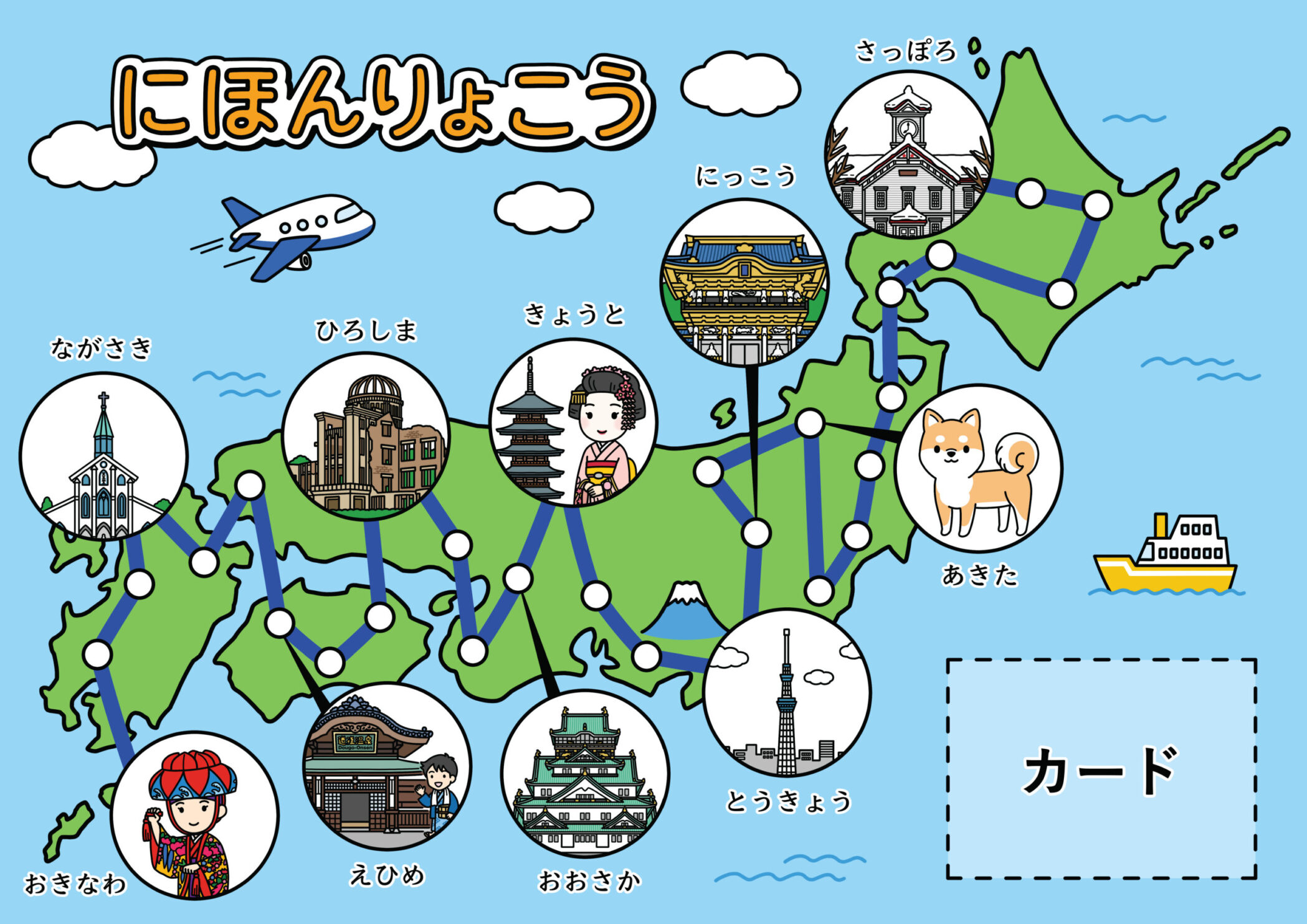
BOARD GAME: Travel Around Japan
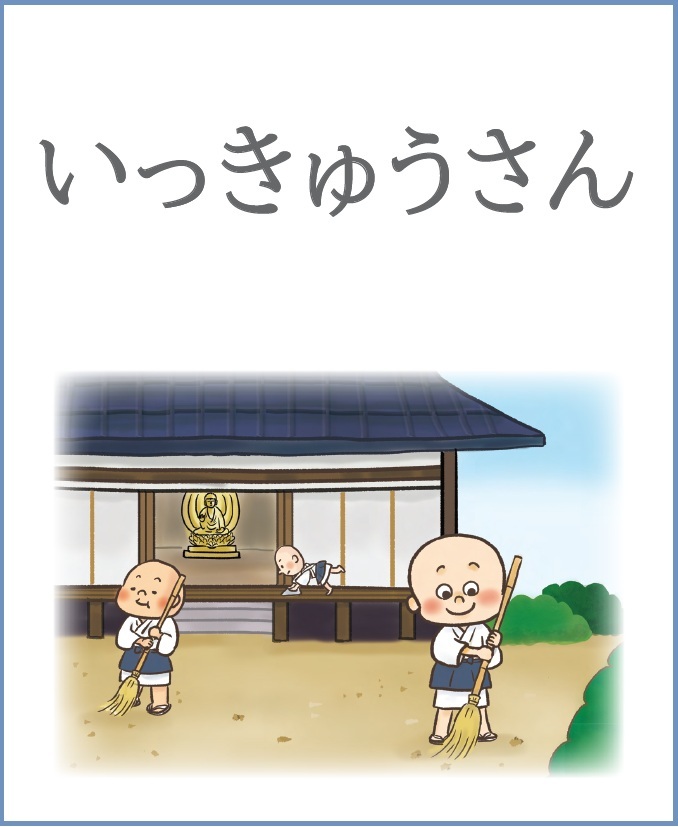
FLIPBOOK: Ikkyu-san
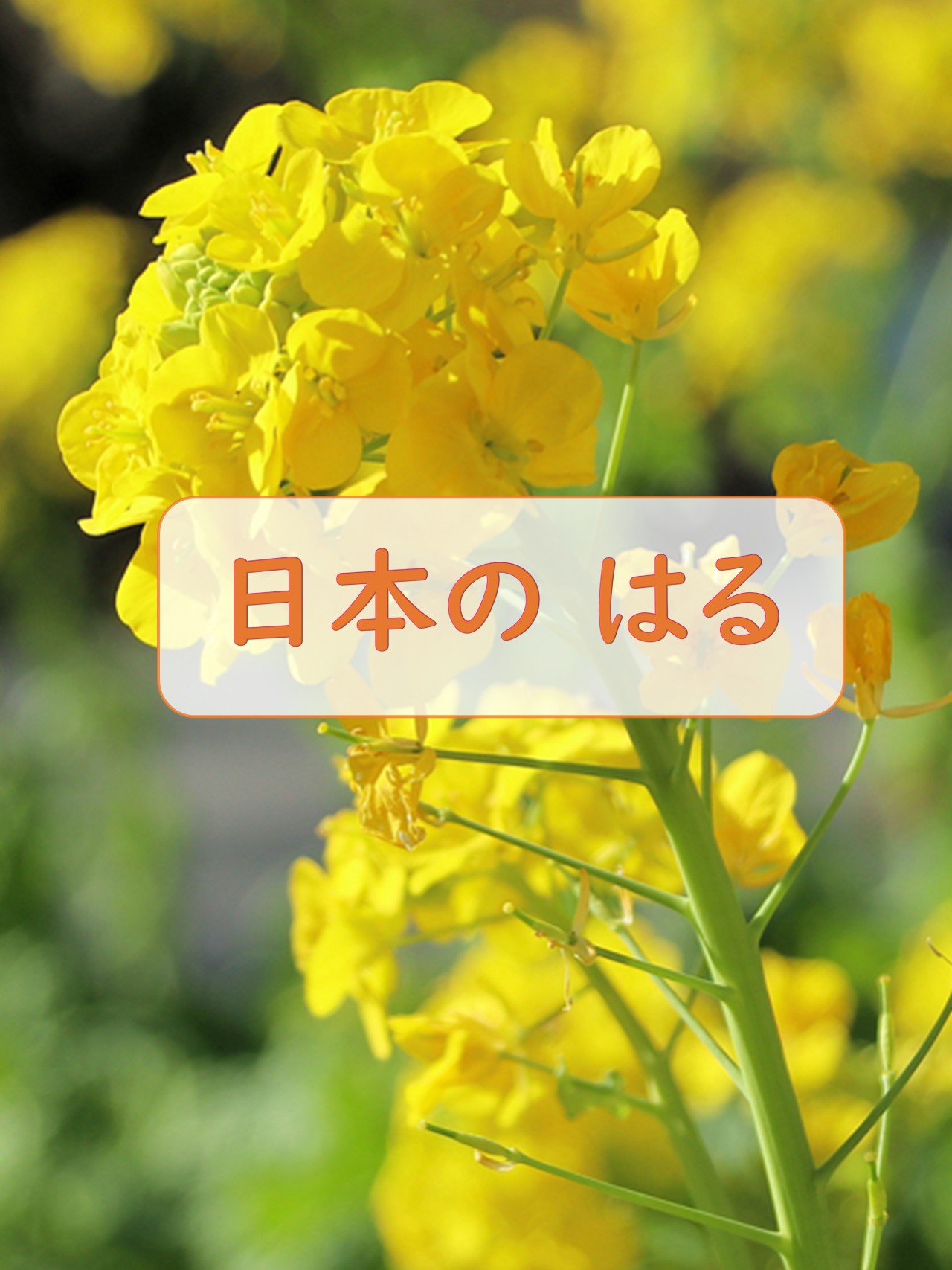
Students explore spring in Japan through a flipbook and related activities.