
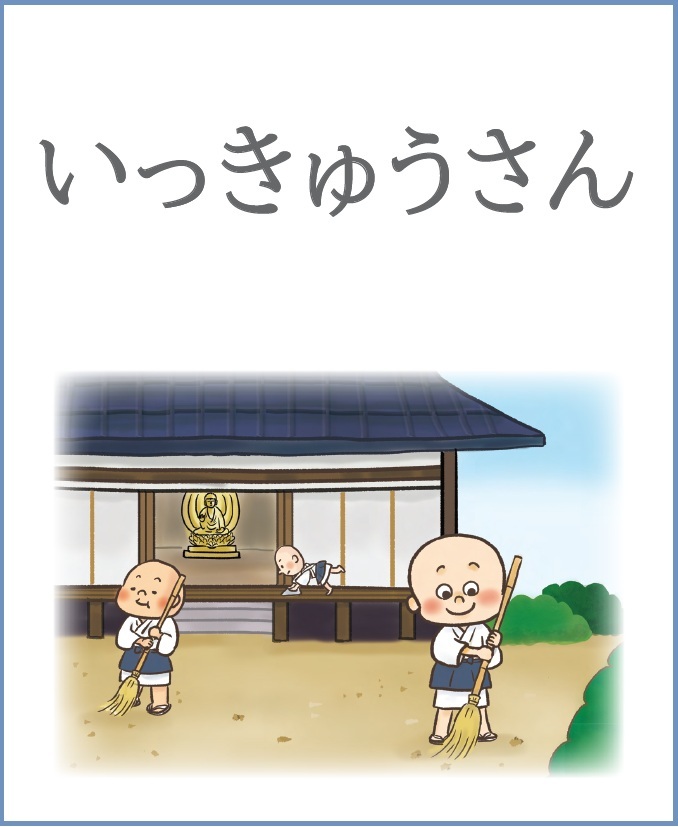
FLIPBOOK: Ikkyu san
FLIPBOOK: Ikkyu-san


 Students create their own cardboard sumo wrestler and play against one another by tapping on their side of the ring.
Describing a sumo match using adjectives like つよい、よわい、かちます、まけます、たたかいます
Socio-cultural aspects: traditional Japanese sport, information about sumo and the rules of sumo.
The teacher demonstrates by first standing the two wrestlers in the ring and introducing them by the names s/he has given them. S/he then taps on the edges of the ring to make the wrestlers move. The wrestler who ‘pushes’ his opponent out of the ring, or ‘knocks down’ his opponent is the winner. Students in groups then make their own ring and wrestlers and give them names. They can cut out the wrestlers given, or draw their own. Group tournaments can be held with students taking turns to play or be referee until a grand champion (よこづな) emerges.
Find sumo information on Kids Web Japan at http://web-japan.org/kidsweb/virtual/sumo/
Sumo, the national sport of Japan, has a 2000 year history. It became a professional sport in the early Edo Period, and since then it has been a popular spectator sport.
Each year, six formal tournaments are held every other month in four major cities in Japan (January, May and September in Tokyo, March in Osaka, July in Nagoya and November in Fukuoka). The tournament lasts fifteen days, but the lower division wrestlers fight only for seven days. For the higher ranking wrestlers (Maegashira and over), eight or more wins is a record which ensures that they go up a rank.
However, to become grand champion you have to win almost every match in two tournaments.
Please read the Teacher’s Notes on Sumo.
Resource created by Himiko Negishi, Cathy Jonak and Yohei Arakawa (February 2014).
FLIPBOOK: Ikkyu-san
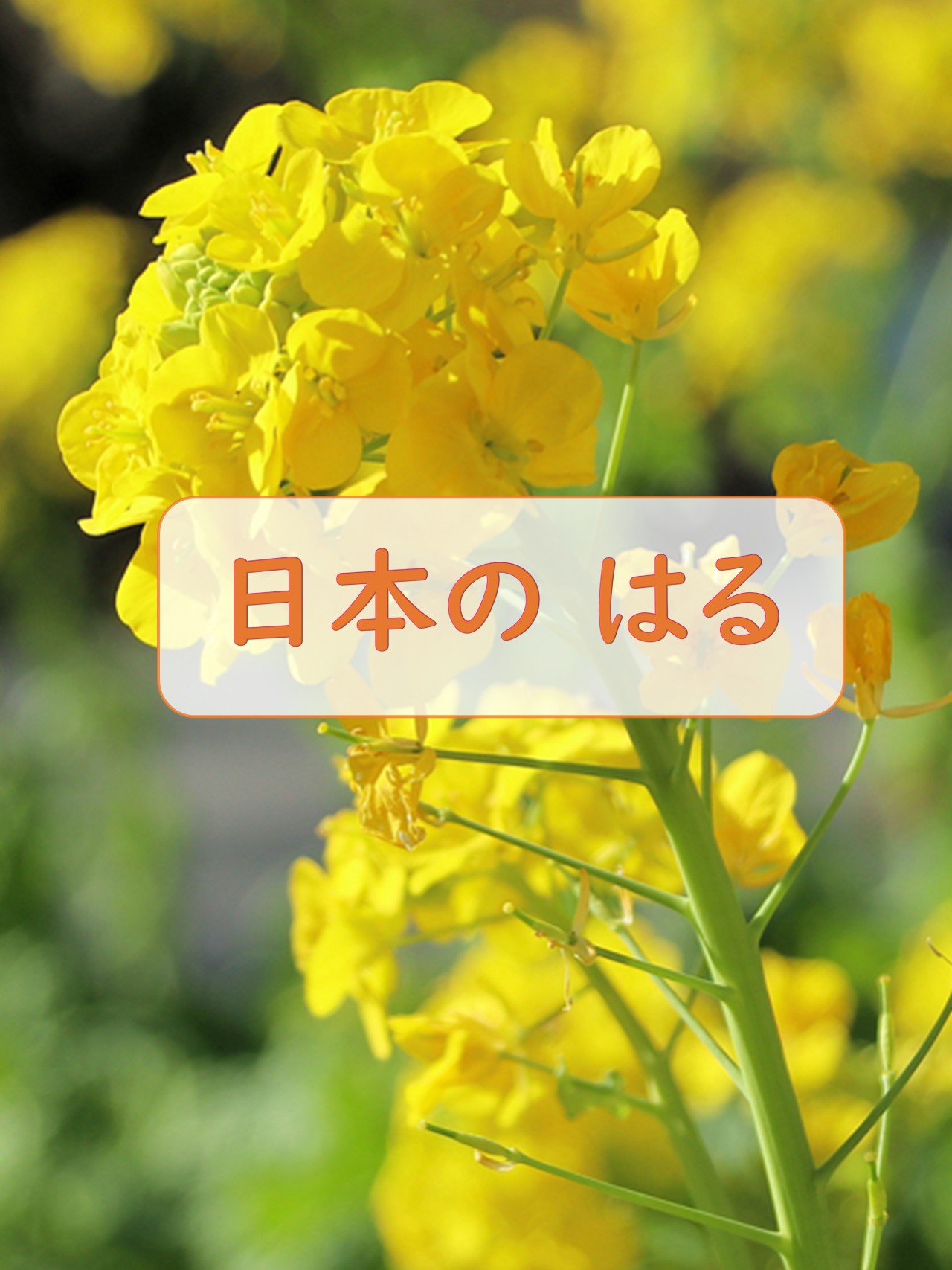
Students explore spring in Japan through a flipbook and related activities.
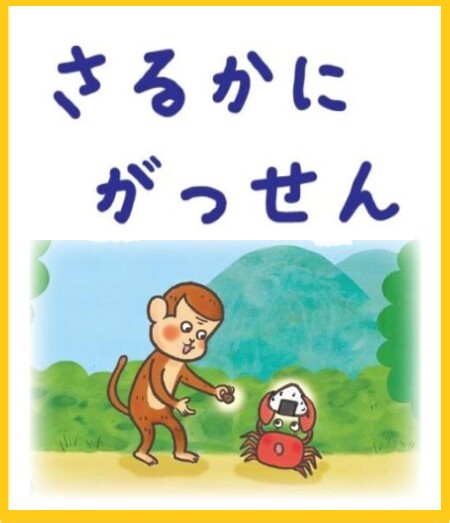
FLIPBOOK: Sarukani Gassen (The battle of the crab and the monkey)
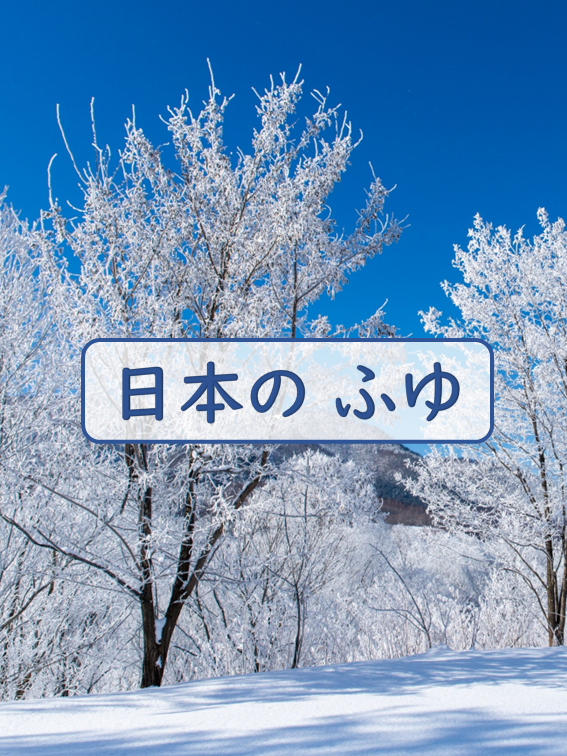
Students explore winter in Japan through a flipbook and related activities.